
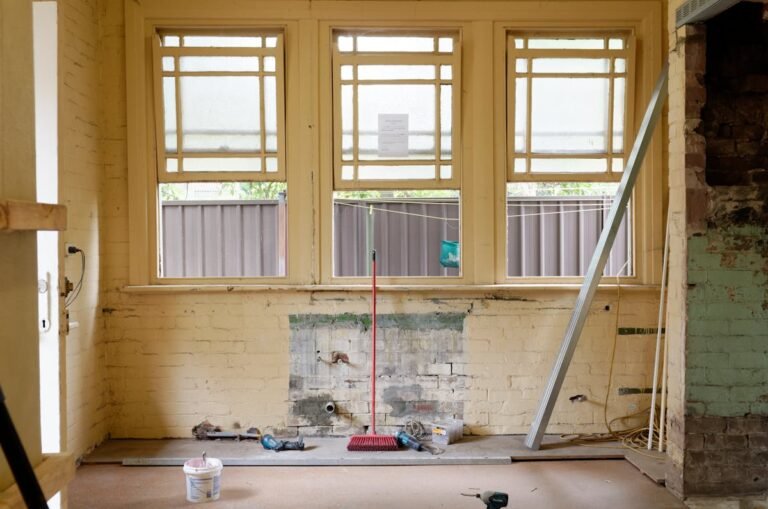
Remember those TV shows where people buy a rundown property and transform it into a stunning home in just 30 days? Well, I hate to break it to you, but real property flipping is nothing like that! My first flip took 6 months, went £15,000 over budget, and nearly gave me a nervous breakdown. But here’s the thing – despite all those rookie mistakes, I still made a decent profit and learned lessons that set me up for future success.
According to recent data, the average property flip in the UK generates a 15-20% return on investment, but 67% of first-time flippers lose money because they don’t know what they’re doing. If you’re thinking about flipping your first property, this guide will help you avoid the painful (and expensive) mistakes I made!
What is Property Flipping and Is It Right for You?
Let me start with some brutal honesty – property flipping isn’t for everyone, and it’s definitely not the easy money-maker that Instagram gurus make it out to be.
Property flipping is basically buying a property that needs work, renovating it to add value, then selling it quickly for a profit. Sounds simple, right? Wrong! It requires significant capital, project management skills, market knowledge, and the ability to handle stress when everything goes sideways.
I thought I was ready for my first flip because I’d watched every episode of “Homes Under the Hammer” and helped my dad with some DIY projects. Reality hit hard when I realized I needed to coordinate electricians, plumbers, plasterers, and decorators while dealing with planning applications and building control inspections.
The personality traits that predict success in flipping? You need to be detail-oriented, good under pressure, and comfortable making quick decisions with incomplete information. If you’re the type who spends three weeks choosing a new TV, property flipping might drive you crazy!
Here’s what you need to succeed: at least £50,000-100,000 available capital, 6-12 months of time commitment per project, and either renovation experience or enough money to pay professionals. Most importantly, you need thick skin because things will go wrong, and you need to solve problems rather than panic.
Property flipping works best for people who enjoy project management and have some construction knowledge. If you prefer passive investments where you collect rent each month, stick to buy-to-let instead.
Finding Your First Flip Property
This is where most beginners get it completely wrong – they fall in love with a property instead of falling in love with the numbers.
Property Auctions Auctions are still one of the best places to find flip properties, though competition has increased massively. I got my first flip at auction – a 1930s semi that needed complete renovation. The key is doing your homework beforehand because you can’t back out once the hammer falls!
Estate Agents and Direct Marketing Build relationships with local estate agents who deal with distressed sales. I know agents who call me first when they get properties that need serious work. Direct mail to homeowners in target areas can also work, though response rates are typically low.
Online Property Platforms Websites like Property Hub, Property Investors Network, and even Rightmove can throw up opportunities. Set up saved searches for keywords like “needs renovation,” “cash buyers only,” or “chain free.”
The 70% Rule Never pay more than 70% of the after-repair value minus renovation costs. So if a house will be worth £200,000 after renovation, and you estimate £30,000 in renovation costs, your maximum purchase price should be £110,000 (70% of £200k minus £30k).
The biggest mistake I see beginners make is buying in areas they don’t understand. Stick to locations within 30 minutes of your home where you know the market, the schools, and what buyers actually want.
Financing Your Property Flip Project
Getting the money together for your first flip is often the biggest hurdle, and traditional mortgages usually won’t work because lenders don’t like lending on uninhabitable properties.
Cash is King If you have cash, use it! Cash purchases complete quickly, give you negotiating power, and avoid financing costs. But remember, you need enough cash for the purchase AND the renovation AND your living expenses during the project.
Bridging Loans These short-term loans (typically 6-24 months) are specifically designed for property projects. Interest rates are high – usually 0.5-1.5% per month – but they allow you to move quickly. I used bridging finance for my second flip, and despite the cost, the speed advantage was worth it.
Joint Ventures Partner with someone who has money but lacks time or expertise. Typical splits are 50/50 or 60/40 depending on who brings what to the deal. Make sure you get proper legal agreements drawn up – friendship and money don’t always mix well!
Specialist Development Finance Some lenders offer specific products for property flippers. Rates are better than bridging loans but higher than standard mortgages. You’ll typically need 25-30% deposit and a solid business plan.
Remember to factor in all costs: purchase price, renovation budget, financing costs, legal fees, insurance, utilities, and holding costs. I budget an extra 20% on top of my initial estimates because projects always cost more than expected.
Creating a Realistic Renovation Budget
This is where dreams meet reality, and reality usually wins! Getting your renovation budget wrong can turn a profitable flip into a financial disaster.
Room-by-Room Breakdown I create detailed budgets for each room, including materials and labor. A basic kitchen renovation might cost £8,000-15,000, while a full bathroom refurb typically runs £4,000-8,000. Don’t forget less obvious costs like skips, scaffolding, and temporary accommodation if needed.
Getting Accurate Quotes Always get at least three quotes for major work, and make sure they’re comparing like-for-like specifications. I learned this lesson when one “cheap” electrician quoted for basic cable while others included proper consumer units and certificates.
Contingency Planning I budget 15-20% contingency for unexpected issues. On my first flip, we discovered the roof needed £8,000 of work that wasn’t visible during the initial survey. Without contingency money, you might have to compromise on quality or delay completion.
DIY vs Professional Work I can handle basic decorating, flooring, and landscaping, but anything involving gas, electricity, or structural work goes to qualified professionals. The money you save on DIY labor often gets eaten up by mistakes and the time it takes to fix them.
Material Sourcing Trade accounts with suppliers can save 20-30% on materials. Wickes, Screwfix, and local builders merchants all offer trade pricing. For kitchens and bathrooms, consider ex-display units or end-of-line products for significant savings.
The biggest budgeting mistake I made was not accounting for the time value of money. Every extra month the project takes costs you money in financing, utilities, and council tax, plus delays your next project.
Managing Your Renovation Project
Project management is where most flips succeed or fail. You’re basically running a small construction company, coordinating multiple trades while keeping costs and timeline under control.
Creating a Realistic Schedule Work backwards from your target sale date, allowing buffer time for delays. Structural work comes first, followed by first-fix electrical and plumbing, plastering, second-fix, then decorating. I use simple project management apps to track progress and dependencies.
Finding Reliable Contractors Good tradespeople are worth their weight in gold! I found my core team through recommendations, local Facebook groups, and by literally knocking on doors at other renovation sites. Start building these relationships before you need them.
Quality Control Visit the site daily if possible, take photos to document progress, and don’t be afraid to ask questions. I learned to spot problems early after a plasterer did three rooms badly before I caught it. Fixing mistakes later always costs more than getting it right first time.
Managing Cash Flow Never pay large amounts upfront, and tie payments to completed milestones. I typically pay 10% deposit, then stage payments based on work completed. Keep receipts for everything – they’re essential for tax purposes and warranty claims.
Building Regulations and Planning Understand what work requires building control approval and factor inspection fees into your budget. Some work might need planning permission, which can add months to your timeline. When in doubt, check with your local council first.
The key is staying organized and communicating clearly with your team. Most problems come from poor communication rather than bad workmanship.
Marketing and Selling Your Flipped Property
Getting maximum price for your finished flip is just as important as buying well and managing costs effectively.
Staging for Success Empty houses don’t sell as well as furnished ones. I hire furniture for key rooms – typically the lounge, master bedroom, and dining area. It costs £500-1,000 per month but can add £5,000-10,000 to the sale price.
Professional Photography This is not the place to save money! Professional property photos cost £200-400 but are seen by every potential buyer. Poor photos on Rightmove can kill interest before anyone even books a viewing.
Pricing Strategy Price competitively from day one rather than starting high and reducing. I analyze recent sales of similar properties and typically price at or slightly below market value to generate early interest and potentially multiple offers.
Estate Agent Selection Choose agents based on local market share and recent sales in your price range, not just commission rates. A good agent who sells your property for £5,000 more is worth the extra fee.
Timing Your Sale Spring and early autumn are typically the best times to sell. Avoid marketing just before Christmas or during school holidays when buyers are distracted. I plan my renovation timeline to hit these optimal selling periods.
Remember that every month your property sits on the market costs money in council tax, insurance, and financing costs. Price realistically and be prepared to negotiate.
Common Beginner Mistakes and How to Avoid Them
Let me save you some expensive lessons by sharing the biggest mistakes I see new flippers make repeatedly.
Over-Improving for the Area I once installed a £15,000 kitchen in an area where the most expensive house had sold for £180,000. Buyers didn’t value the upgrade, and I’d have been better off with a £8,000 kitchen and higher profit margin.
Underestimating Holding Costs Every month you own the property costs money – mortgage payments, insurance, council tax, utilities. If your project runs over by three months, that could easily cost £2,000-3,000 extra.
Falling in Love with the Property This isn’t your forever home – it’s a business transaction. Make decisions based on what buyers in that area actually want, not your personal preferences. I learned this when my “feature wall” got painted over by the new owners within a week!
Ignoring Market Conditions Property markets can change during your renovation period. Keep monitoring local sales and be prepared to adjust your strategy if market conditions shift.
Poor Record Keeping Keep detailed records of all expenses for tax purposes and future project planning. I use a simple spreadsheet to track every cost, which helps me budget more accurately for future flips.
Rushing into Deals Take time to properly analyze each opportunity. I walked away from dozens of potential deals before finding the right one for my first flip. It’s better to wait for the right opportunity than rush into a bad deal.
The biggest mistake of all? Not having enough cash reserves for when things go wrong. And trust me, things will go wrong!
Conclusion
Property flipping isn’t a get-rich-quick scheme, but it can be a profitable way to build wealth if you approach it systematically. Remember, your first flip is all about learning – don’t expect perfection, but do expect to gain valuable experience that will serve you well on future projects.
The key is starting with realistic expectations, thorough planning, and enough financial cushion to handle the inevitable surprises. Focus on buying well, managing costs carefully, and understanding your local market better than anyone else.
Don’t let TV shows fool you – successful property flipping requires hard work, attention to detail, and the ability to solve problems under pressure. But if you’ve got those qualities and follow the strategies I’ve outlined, your first flip can be both profitable and the foundation for a successful property business.
Take your time, do your research, and don’t be afraid to walk away from deals that don’t make sense. The best deal is often the one you don’t do!
Have you started looking at potential flip properties in your area? Share your questions or experiences in the comments – I’d love to help you avoid some of the mistakes I made on my journey from nervous beginner to successful property flipper!